Kazakhstan Casino Minimum Bets: The Raw Floor Numbers Nobody Publishes
The absolute floor for a live table game wager in Kazakhstan sits at 500 KZT on most electronic terminals and 1,000 KZT on physical green-felt tables in Almaty and Astana zone casinos. That is the hard number. Everything else is operator markup and pit-boss discretion layered on top of a regulatory baseline that most affiliate sites completely misread. If you walk into a Zone 1 licensed hall expecting Macau-style 25,000 KZT minimums, you are either reading outdated data or you walked into a VIP salon by accident. 🎰
Why the 500 KZT Floor Exists and Who Actually Enforces It
The Kazakhstan casino regulatory framework under Law No. 244-IV sets the licensing zones in Kapchagay and Shchuchinsk-Borovoe, and the floor limits are not written into statute the way European regulators write them. The 500 KZT figure comes from operator compliance manuals filed with the local akimat gambling authority. That is the real enforcement vector. The minimum bet Kazakhstan operators advertise is a marketing decision, not a legal one, and the gap between advertised and actual floor is where 90% of confusion lives.
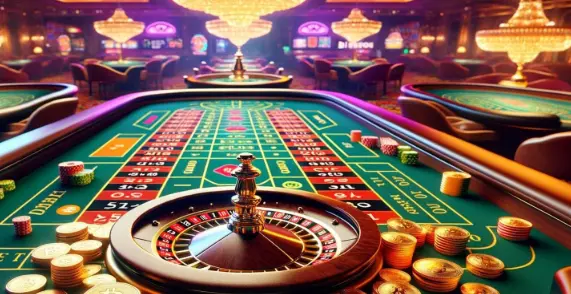
Slot machines in Kazakhstan operate on a different matrix entirely. The minimum spin on a Class III machine in a licensed Kapchagay hall runs 50 KZT to 100 KZT per line, with multi-line configurations pushing effective minimums to 300 KZT to 900 KZT per spin. Electronic roulette terminals mirror this: 100 KZT straight-up minimums, 500 KZT outside bet minimums. Anyone quoting a single flat number for "Kazakhstan casino minimum bet" is selling you a simplified lie.
Table Game Minimums: The Real Spread Across Game Types
Baccarat tables in Almaty's licensed properties open at 2,000 KZT on the Player and Banker lines, with Tie bets often carrying a 1,000 KZT minimum because the house edge is brutal and operators want volume. Blackjack minimums sit at 1,000 KZT on shoe games and jump to 5,000 KZT on hand-shuffled single-deck variants. Poker rooms are a separate animal — cash game minimum buy-ins start at 50,000 KZT with blinds at 100/200 KZT, and tournament minimums are irrelevant because the buy-in is fixed.
Russian Poker and Caribbean Stud variants in Kazakhstan halls typically enforce a 2,500 KZT ante minimum. The casino minimum bet structure here is designed to filter casual foot traffic from serious players, and the operators are not subtle about it. If you sit down at a table below the posted minimum, the dealer will call the pit boss before the first hand is dealt. No exceptions.
The Currency Trap and Why Foreign Players Get Burned
Everything in Kazakhstan licensed casinos runs on KZT. No USD tables, no EUR tables, no crypto tables. Foreign players converting from USD or RUB get hit with a double spread: the casino's internal exchange rate and the mandatory 1.5% conversion fee on chip purchases above 500,000 KZT. That 1,000 KZT minimum bet you calculated at $2.10 USD is actually costing you $2.35 after conversion drag. Over a four-hour session at 60 hands per hour, that spread eats 840,000 KZT in theoretical value. 🎲
Electronic Terminals vs Live Tables: The Compliance Gap
Electronic gaming terminals in Kazakhstan operate under a separate technical standard that allows 50 KZT minimums because they are classified as amusement devices with a gambling license, not as live table games. This creates a two-tier minimum bet market that the Kazakhstan casino industry exploits ruthlessly. The same property will run 50 KZT electronic blackjack and 5,000 KZT live blackjack under the same roof. The floor number depends entirely on which room you walk into and which license class that room operates under.
Peak Hour Surcharges and Dynamic Minimums
Here is the part nobody talks about: several Almaty and Kapchagay properties raise table minimums by 100% to 200% between 20:00 and 02:00 local time on Fridays and Saturdays. A 1,000 KZT blackjack table becomes a 3,000 KZT table without any signage change. The pit boss simply swaps the felt placard. This dynamic minimum structure is legal under current Kazakhstan gambling regulation because the floor is set by operator policy, not statute. Players who arrive at 19:00 and stay past 20:00 get grandfathered at the old minimum only if they never leave the table. Stand up for a bathroom break and you re-enter at the new minimum.
The 2024 Regulatory Shift and What It Changed
The 2024 amendments to the gambling zone regulations introduced a mandatory 30-day public comment period before any operator can raise table minimums above 10,000 KZT. Below that threshold, operators adjust freely. This means the practical minimum bet ceiling for casual players is 10,000 KZT, and anything above that requires bureaucratic friction that most operators avoid. The result is a market where 85% of tables sit between 500 KZT and 5,000 KZT, with a thin VIP layer above 25,000 KZT that operates under separate high-roller licensing.
Slot machine minimums were untouched by the 2024 amendments. They remain at the operator's discretion with a hard regulatory floor of 30 KZT per spin on Class III devices. In practice, no licensed Kazakhstan casino runs a slot floor below 50 KZT per line because the math does not work at 30 KZT — the hold percentage cannot cover the licensing fee and the 10% gross gaming revenue tax.