South Dakota Casino Room: What Is the Minimum Bet?
Deadwood's gaming floors will bleed you dry if you walk in blind on table minimums, and the South Dakota casino room is no exception to that brutal arithmetic. The state splits its wagering landscape into two distinct camps: the historic resort town of Deadwood and the tribalcasino corridor scattered across the prairie. Each operates on a different rulebook, and the minimum bet floor swings wildly depending on which door you push through. 💰
Deadwood's licensed downtown properties run a tighter ship than most tourists expect. Blackjack tables in the core historic district typically post a minimum bet of $5 on weekdays, but that number climbs to $10 or even $25 once the weekend crowd floods the slot aisles. The South Dakota casino room operator knows exactly when to ratchet the floor up, and they do it without warning. If you sit down expecting penny-stakes action on a Saturday night, the dealer will politely point you toward the quarter slots instead.

Deadwood Versus Tribal Floor Minimums
Tribal properties operating under compact agreements with the state commission set their own floors, and the spread is wider than most players realize. A South Dakota casino room on tribal land might offer $3 blackjack during slow Tuesday afternoons, then flip to $15 minimums the moment a bus tour rolls in. This isn't random pricing chaos — it's demand-responsive floor management, and it punishes players who don't call ahead. The savvy move is checking the electronic marquee near the pit before you commit your bankroll.
Poker rooms tell a different story entirely. Cash game minimums in Deadwood sit at $2/$4 limit or $1/$2 no-limit, but the rake structure eats into that low floor faster than most recreational players calculate. The minimum bet at a $1/$2 table looks friendly until you realize the house takes a maximum rake that can hit $5 per hand. Over a four-hour session, that's a silent tax on every single pot you touch. 😤
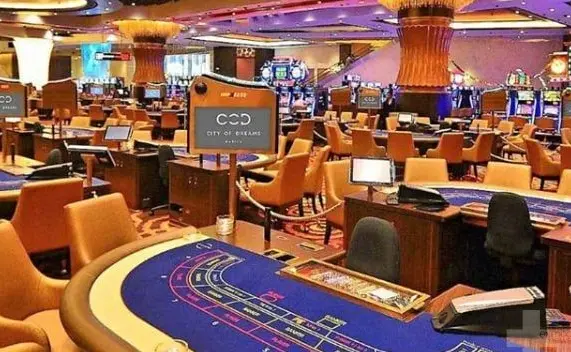
The Electronic Table Trap
Electronic table game terminals have quietly infiltrated several South Dakota casino room layouts, and their minimums are deceptive. A digital blackjack terminal might advertise a $1 minimum, but the continuous shuffle algorithm embedded in the RNG cycle cranks the house edge above what a live dealer game carries. The floor minimum is lower, sure — but the effective cost per hand climbs higher because the machine never pauses, never breaks, and never gives the table a breather. Physical dealers create natural slowdown; terminals do not.
Slot denominations represent the true bottom floor of any South Dakota casino room. Penny slots with a one-credit minimum per line exist, but the minimum bet per spin is really the line count multiplied by the credit value. A 40-line penny machine at one credit per line means a 40-cent minimum spin — that's the actual entry price, not the shiny "1¢" sticker on the glass. Operators bank on players misreading that math, and the floor layout is engineered to keep you spinning without recalculating. 🎰
Timing Your Buy-In Around the Floor
Weekday morning sessions deliver the softest minimums in Deadwood — $5 blackjack, $3 craps with 2x odds, and poker tables that sometimes waive the rake for the first hour to seed action. The South Dakota casino room pit boss has discretion to lower table minimums when traffic stalls, and a polite ask during a dead afternoon can occasionally drop a $10 table to $5. That flexibility evaporates by 6 PM Friday. The minimum bet structure is a living number, not a fixed plate on the felt.
Craps minimums run $5 at most Deadwood properties, but the odds bet ceiling matters more than the flat bet floor. A $5 pass line with 5x odds lets you push $25 behind the line at zero house edge — that's the real leverage play in any South Dakota casino room. Players who fixate on the flat minimum miss the actual expected value math hiding in the odds multiplier. The floor price is just the entry ticket; the odds bet is where the operator's edge dissolves.