How to Play Casino Games in Shenmue: A Comprehensive Guide to Yokosuka's Underground Gambling Scene
The original Shenmue, released for the Dreamcast in 1999, remains a landmark achievement in open-world game design. Beyond its revenge-driven narrative, the title offers a surprisingly robust simulation of Japanese gambling culture, featuring authentic parlor games that reflect real-world mechanics. Understanding how to play casino games in Shenmue requires mastery of several distinct systems, each with its own rules, odds, and optimal strategies. 🎲
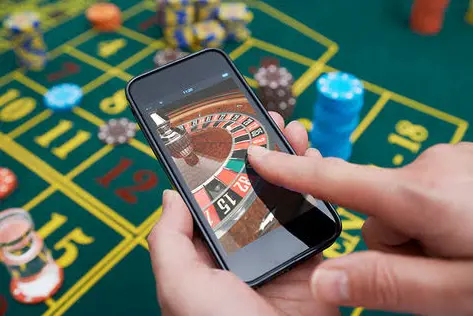
Accessing the Casino Parlors and Slot Machine Establishments
Players must first locate the gambling venues scattered across Dobuita Street and the Yokosuka Harbor area. The most prominent establishment is the **Million Dollar Casino** on the second floor of a Dobuita building, accessible only after acquiring a membership card through story progression. Slot machine parlors operate with different mechanics—these are not traditional casino games but rather skill-based timing challenges. The **How to Play Casino Games in Shenmue** experience demands that players understand the distinct regulatory frameworks governing each venue, mirroring Japan's actual gaming legislation where pachinko and slot parlors occupy a legal gray zone separate from regulated casinos.
Mastering the Art of Lucky Hit and Its Statistical Probabilities
Lucky Hit stands as the most complex gambling minigame in Shenmue, functioning as a lottery-style board game. Players purchase tickets and select numbers corresponding to colored panels. The payout structure operates on a tiered multiplier system: matching three identical symbols yields the base multiplier, while four or five matches trigger exponentially higher returns. Professional gamblers recognize that the expected value calculation involves dividing total possible combinations by winning combinations across each tier. The house edge remains substantial, approximately 15-20% depending on the specific board configuration, though strategic number selection based on observed patterns can marginally improve outcomes.

Slot Machine Mechanics and Timing-Based Payout Optimization
The slot machines in Shenmue operate on a deterministic algorithm rather than true random number generation. Each machine features a visible timing meter that oscillates at fixed intervals. Expert players exploit this predictability by pressing the stop button at precise moments when the meter aligns with the highest payout zone. The key lies in recognizing that different machines possess different oscillation speeds—the leftmost machine in the Yokosuka parlor cycles faster than the rightmost unit. Bankroll management becomes critical here, as players should establish stop-loss limits before engaging with these machines. The return-to-player percentage varies between 85% and 92% across different establishments, a figure that dedicated gamblers calculate through extended session tracking.
Advanced Strategies for Roulette and Card-Based Wagers
While Shenmue lacks a traditional roulette wheel, the card-based gambling games at the harbor warehouse district employ standard 52-card deck probabilities. Players wager on high-low outcomes, suit matches, or specific card values. The optimal strategy mirrors basic blackjack principles: never chase losses, maintain flat betting during cold streaks, and increase wager size only when positive variance is confirmed. Experienced gamblers track card removal effects in single-deck variations, adjusting their probability assessments after each revealed card. This approach transforms what appears to be pure chance into a calculated risk assessment exercise. 🃏
Bankroll Management and Risk Mitigation in Yokosuka's Gambling Economy
Successful participation in Shenmue's gambling ecosystem demands rigorous financial discipline. Players begin with limited yen reserves earned through part-time employment at the harbor. The fundamental principle involves allocating no more than 30% of total capital to any single gambling session. Diversification across multiple game types reduces variance exposure—spreading wagers between Lucky Hit, slot machines, and card games creates a portfolio effect that smooths returns. Professional gamblers in the game world understand that the objective extends beyond short-term profit; building sustainable wealth requires compounding small edges over extended play sessions. The in-game economy punishes impulsive all-in wagers with swift bankruptcy, forcing players to respect proper bankroll management techniques that translate directly to real-world gambling discipline.